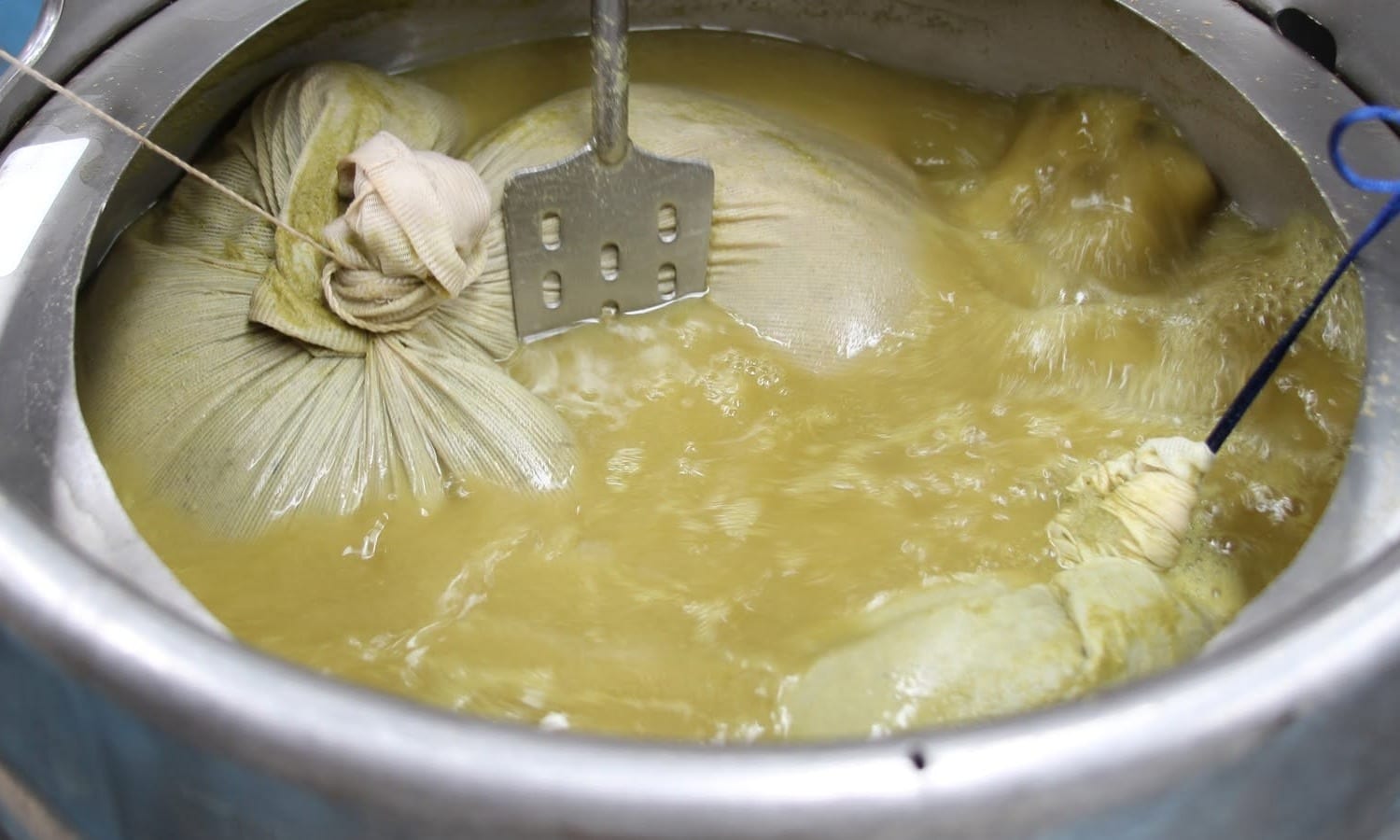
Of all the experimental beers I’ve brewed, my favorite started with a mash full of marshmallows. It was a pastry stout we made together at Chaneque and Yeccan. We put the marshmallows right into the mash, and there’s a photo from brew day that shows just how many we used.
Before that stout, I’d already brewed with Oaxacan tamales, pushed a beer under 4% ABV to an on-paper target of 1,000 IBUs, and made a smoked porter with tobacco leaf. Each one began with a question I wanted to answer by brewing it.
What happens when you brew with Oaxacan tamales?
The first thing I had to do was unwrap the tamales. The corn husks came off, and I had to figure out what the tamales themselves would do in the mash.
The fat was the part that demanded the most attention. I had to think carefully about how I handled the grain bed so the wort could still run through it. “Let’s make a tamale beer” had sounded like a flavor idea. On brew day it became a question about how to get the wort out of the mash tun.
That’s one of the things I like about brewing with food. I start by thinking about what I want to taste. By the time I brew, I’m also thinking about what that ingredient will do to the process I rely on.
How far could I push hops in a beer under 4% ABV?
I set out to make a beer under 4% ABV, with softened water and a target of 1,000 IBUs on paper. I wanted a low-alcohol beer where I could focus on how the hops came across.
 The number captures how far I wanted to push the recipe. What I wanted to learn was in the glass. How would the hop character come through in a beer that light? How long would the bitterness stay with me after a sip? Those were the questions that made the batch worth brewing.
The smoked porter that pushed my curiosity further
I also made a deeply smoky porter with tobacco leaf. At the time, I was curious about the combination of smoke, nicotine, and alcohol. It was one of the more extreme ideas I tried, and it made me think more carefully about where I draw the line when I experiment. Tobacco contains nicotine, which can be toxic if swallowed (Poison Control). I’d keep tobacco out of beer today.
The marshmallow stout I’d brew again
My favorite was that Chaneque × Yeccan pastry stout. Marshmallows are easy to picture next to a dark, dessert-inspired beer. What made the idea fun was putting them in the mash together and seeing what happened on brew day.
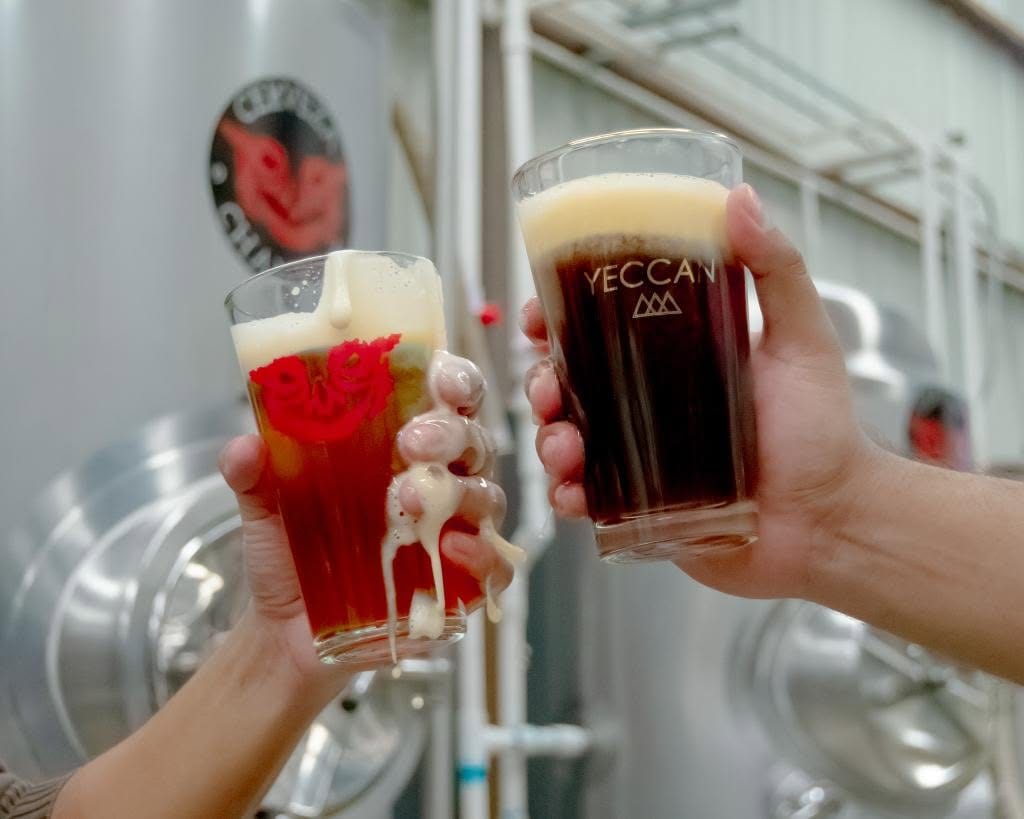 It’s the batch I come back to because of the collaboration. There’s a particular joy in pitching an odd idea to another brewer and hearing them say, “Let’s try it.” I can still look at that photo and remember how much fun it was to make.
Follow our collaborators on Yeccan Cervecería’s Instagram.
Why I keep experimenting
What I love about making beer is having the freedom to follow an idea all the way through. Sometimes that means unwrapping tamales and rethinking the grain bed. Sometimes it means sharing a mash tun with another brewery and throwing in more marshmallows than either of you would buy on an ordinary day.
That freedom is part of what makes independent brewing a movement as well as an industry. A macrobrewery has to make the same beer taste the same at enormous scale. At Chaneque, I can brew a batch because I’m curious and because another brewer wants to find out with me. That’s a kind of freedom I don’t think a macrobrewery can reproduce at its scale.
When a batch starts with a “what if,” write down what you were trying to find out. Then record what actually happened on brew day and what you tasted. Try Foambyte® for free to keep the recipe, brew-day notes, and tasting observations together.